Types of Archery: 7 Disciplines and How to Try Each One
Archery isn't one sport — it's seven: target, field, 3D, traditional, bowhunting, flight, and para, each with its own targets, distances, and governing bodies. Here's what every discipline actually asks of you, and the cheapest way to try each one this month.
By the Archery Care Editorial Team
Watch it done
Reputable tutorials that demonstrate this, hand-picked by Archery Care. The walkthroughs are the creators’ own — we just point you to the good ones (and, where they added chapters, straight to the moment that matters).
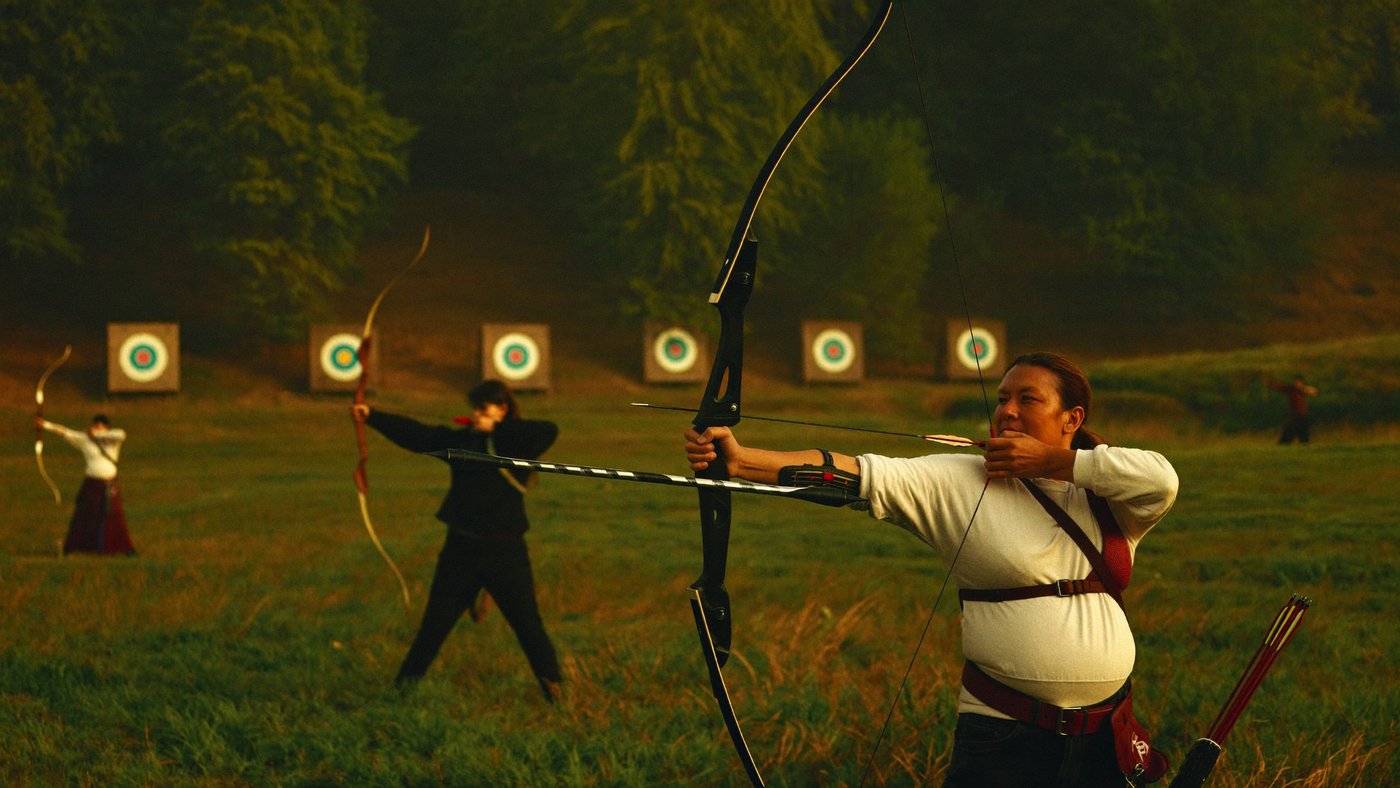
Seven disciplines, one shot. Target archery (indoor and outdoor), field, 3D, traditional, bowhunting, flight, and para archery all run on the same four beats — stance, draw, anchor, release — but everything around those beats changes: the targets, the venues, the gear. Change them enough and a national target champion can get thoroughly humbled at a weekend 3D shoot.
So here's the tour: what each one actually involves, who runs it, and how to get a bow in your hands this month.
Match the discipline to your patience level, not to whichever one has the flashiest gear. And before flagship money leaves your account, work out your draw length — there's a calculator for that — or run the Find My Bow quiz. Fit beats brand in every single discipline above.
Target archery, the one on TV
The televised version. Recurve archers stand 70 meters from a 122-centimeter five-color face and chase a 10-ring that measures just 12.2 centimeters — a coffee coaster, basically, viewed from most of a football field. Compound archers get 50 meters and a tighter 80-centimeter face with an 8-centimeter ten.
The Olympics have carried archery permanently since 1972, and the Games have only ever featured recurve. Hence all the Hoyt Xceed 2s and WIAWIS ATF-DXs on elite shooting lines.
Indoors, everything compresses to 18 meters and a 40-centimeter face — 60 arrows of qualification, then head-to-head brackets. A winter indoor league is the cheapest entry point in the whole sport. No weather. Short walks to score.
World Archery owns the global rulebook; USA Archery and Archery GB run the national scenes.
Field archery
Field drags those round faces into the woods. A course chains together targets of 80, 60, 40, and 20 centimeters, planted uphill, downhill, and across gullies. Recurve and compound shooters face marked distances from 10 to 60 meters plus unmarked targets out to 55 — get the range wrong by a few meters and you're digging your arrow out of the dirt. Barebow archers shoot closer pegs, 5 to 50 meters.
Nobody talks about field, and it might be the best discipline going. Range estimation, uneven footing, light that won't sit still — every one of those skills transfers straight to hunting. In the US, the NFAA (National Field Archery Association) runs its own field rounds alongside World Archery's version.
3D archery
Paper out, foam in: deer, bears, turkeys. A World Archery 3D course runs 24 animal targets with four scoring zones — 11, 10, 8, and 5 — at unmarked distances up to 45 meters for compound and 30 meters for the barebow, longbow, and instinctive divisions.
American 3D is its own ecosystem entirely. The ASA (Archery Shooters Association) shoots McKenzie targets and adds 12-point rings, plus a 14 that only comes out for pro shootdowns. The IBO (International Bowhunting Organization) caps a single arrow at 11 and typically runs two 20-target courses across a weekend.
This is where the hunting rigs hang out. Walk an ASA event and you'll trip over Mathews ARC 34s and Bowtech Alliance 30s, because the discipline doubles as off-season hunting practice.
Traditional archery
Take away the sights, the stabilizers, and the let-off. What's left is traditional: longbows, one-piece recurves, and takedowns like the Samick Sage. You aim down the arrow or you aim by feel, and your groups will look embarrassing for the first few months. That's not a bug. Scores run lower here; satisfaction-per-arrow runs higher.
You don't need a separate circuit, either. Most field and 3D organizations run longbow and instinctive divisions, so a traditional shooter can turn up and compete almost anywhere.
Bowhunting
Bowhunting isn't a competition format at all — it's the application. Modern hunting compounds advertise IBO speeds of 338 to 357 fps, with flagships like the Hoyt Carbon RX-10 running $1,300 to $2,149. Crossbows, hunting-legal in many states, push 360 to 515 fps.
Speed is the wrong obsession, though. Arrow weight and placement matter more — a heavy shaft like an Easton 5mm FMJ holds momentum better than a light, fast one, which is why hunters fixate on kinetic energy and front-of-center numbers. A KE/FOC calculator does that math in seconds.
And the rules don't come from archery bodies. State wildlife agencies regulate hunting, most states require hunter education, and several add a separate bowhunter education course before you can buy an archery tag. Read your state's rules before anything else: seasons, minimum draw weights, and crossbow legality are all over the map.
Flight archery
Flight archery asks exactly one question: how far can an arrow go? World Archery lists the record at 1,222 meters — more than 13 football fields. The gear is purpose-built for the job: specialized bows, short skinny arrows, and shoots staged in wide-open spaces for reasons that should be obvious.
It's also the smallest discipline on this list by a mile. If a flight shoot ever lands within driving distance of you, go. You might not get a second chance.
Para archery
Para archery predates the Paralympics themselves. Dr. Ludwig Guttmann staged an archery tournament for 16 rehabilitating patients at Stoke Mandeville hospital in 1948; the sport has been part of every Paralympic Games since the first edition in 1960.
Athletes compete in recurve open, compound open, and W1 — the class for the most significant impairments — using adapted releases, stools, or wheelchairs as needed. Visually impaired archers shoot 30 meters with tactile sights, though VI competition isn't currently on the Paralympic program.
Classification runs through World Archery. In the US, USA Archery manages para programs and can point you toward an accessible club.
Trying them without buying anything
Every discipline above has a cheap on-ramp. None of them require owning a bow first.
- Target and indoor: run USA Archery's club finder (Archery GB's if you're in the UK) and book an intro class. Clubs lend you everything for the first sessions — don't buy gear before you've shot a few times.
- Field: NFAA-affiliated clubs and World Archery field clubs both hold open practice days, and plenty of target clubs have a field course out back that nobody mentions.
- 3D: archery shops and sportsman's clubs put on weekend 3D shoots from spring through summer. Most welcome walk-ons with any bow type.
- Traditional: enter any field or 3D event in a longbow or barebow division, or set up a takedown recurve and a backyard bale where that's legal.
- Bowhunting: take your state's hunter education course first, then find a mentored hunt program — most state agencies run them.
- Para: USA Archery and World Archery both list para-friendly clubs, and many indoor ranges already have wheelchair-accessible shooting lines.
Real questions archers ask about the types of archery
Mined from public archery communities (June 2026); answered by Archery Care using our scored data. Source links go to the original discussions.
Do I have to pick one type of archery, or can I do several at once?
You don't have to commit to anything. Plenty of archers shoot indoor target spots all winter, hit 3D courses in summer, and carry a bow into the woods come fall, all on overlapping gear. The skills transfer too: the form you build punching paper at a fixed 20 yards is exactly what steadies your shot on an unmarked 3D buck or a real animal. Where people get tripped up is buying a dedicated rig for each discipline before they know what they actually enjoy. Don't. Pick whatever's nearest and easiest to try, shoot it for a season, and let your interest pull you toward the next one. The disciplines feed each other.
Is one type of archery cheaper to get into than the others?
Yes, and the gap is bigger than most beginners expect. Target and field archery let you start cheapest because clubs and ranges usually loan bows for a lesson or two, so your first sessions cost the price of a session, not a setup. A basic takedown recurve like a Samick Sage runs well under $150 if you do buy. Compound-based disciplines and bowhunting cost more upfront: a hunting rig with sight, rest, release, and arrows adds up fast. The money-saver everyone on the forums repeats is to shoot borrowed or used gear first. A coach's loaner tells you your real draw weight and length, which stops you wasting cash on a bow that doesn't fit.
Which discipline is best if I just want something fun with my kids?
Start them on light, simple gear and keep it relaxed. Forum parents widely start kids around 4 to 7, with a 6-year-old usually old enough to grasp the basics, though it genuinely depends on the child. A Genesis-style bow is a favorite because it has no set draw length and an adjustable, low draw weight, so one bow grows with the kid. Shoot at balloons rather than scoring rings, since popping one is a thrill and nobody's tracking a number. The biggest mistake is over-coaching form too early or pushing it, which is the fastest way to make a kid quit. Backyard plinking or a casual 3D walk beats a formal target league for family fun.
If I start with target archery, will it actually make me a better bowhunter?
It will, more than most new hunters realize. The repetition and shot-sequence discipline you build on a target line is the same machinery that holds a clean shot together when an animal is standing there. Hunters on Rokslide credit target practice with sharpening their consistency and giving them something to grind in the off-season. The honest caveat: target and hunting are mirror images of each other. A target archer sees how far back they can still hit the dot, while a hunter sees how close they can creep before the shot. So pair your indoor form work with practice in full hunting kit, pack, gloves, and headgear, because gear you've never shot in changes everything when it counts.
Should I jump straight into 3D archery, or learn on a target range first?
Learn somewhere with a known distance first, then add 3D. 3D is seductive because the lifelike animal targets feel like the real thing, but it stacks two hard skills at once: shooting well and judging unknown yardage. Miss on a 3D course and you can always blame the range guess, which lets sloppy form hide. On a target or field course where the distance is marked, a miss is obviously you, and that honesty is what builds clean fundamentals fast. The common path forum veterans recommend is to cement your form at fixed distances, then take that solid shot onto a 3D course where yardage estimation becomes the fun puzzle rather than a crutch.
Community Pulse
What owners and shoppers actually say, quantified across 6 public discussions reviewed in June 2026.
Beginners should learn on a recurve before touching a compound
mixedThe traditional camp argues a recurve forces you to build real form from the ground up, so anything you shoot later, including compound, comes easily. The counterpoint is blunt: a total beginner can stack arrows at 20 yards on a compound in half an hour, while recurve mastery can take years and some never get there. Most threads land on a truce, that manageable draw weight matters more than bow type, and your goals and patience decide it.
Field archery is a better learning ground than 3D for newcomers
praiseThere's strong agreement that marked-distance field shooting teaches cleaner fundamentals than jumping into 3D. With known yardage you can't blame a miss on a bad guess, so bad habits surface and get fixed. 3D earns praise for realism and for practicing aim points on game, but the repeated advice is to learn the shot first on field or target, then bring that form onto a 3D course where distance estimation becomes the real challenge.
Take a lesson and shoot borrowed gear before buying anything
praiseNear-universal advice for anyone unsure where to start: find a club or USA Archery coach, take an intro lesson, and shoot their equipment first. It shortens the learning curve, tells you your true draw weight and length, and saves real money on a first bow that actually fits. Hunters crossing into target shooting echo it, recommending you press an existing bow or buy used pro-shop trade-ins before splashing out on a dedicated rig.
How we counted: we read 6 public discussions across archery forums and communities, grouped recurring topics, and counted distinct threads (not comments) where each theme appeared favorably or critically. Summaries are paraphrased in our own words; every count links to its sources. Note: Discussion concentrates on ArcheryTalk's beginner subforum (discipline choice, recurve-vs-compound, field-vs-3D progression) with TradTalk owning the traditional-first argument and Rokslide covering the hunting-to-target crossover.