Bow Care and Maintenance: Wax, Storage, Restring Costs
Three habits cover it: wax the string every two to four weeks, keep the bow dry and temperature-stable, and budget $20-$150 for new strings every two to three years. That's enough to keep most bows shooting well for 15-plus years.
By the Archery Care Editorial Team
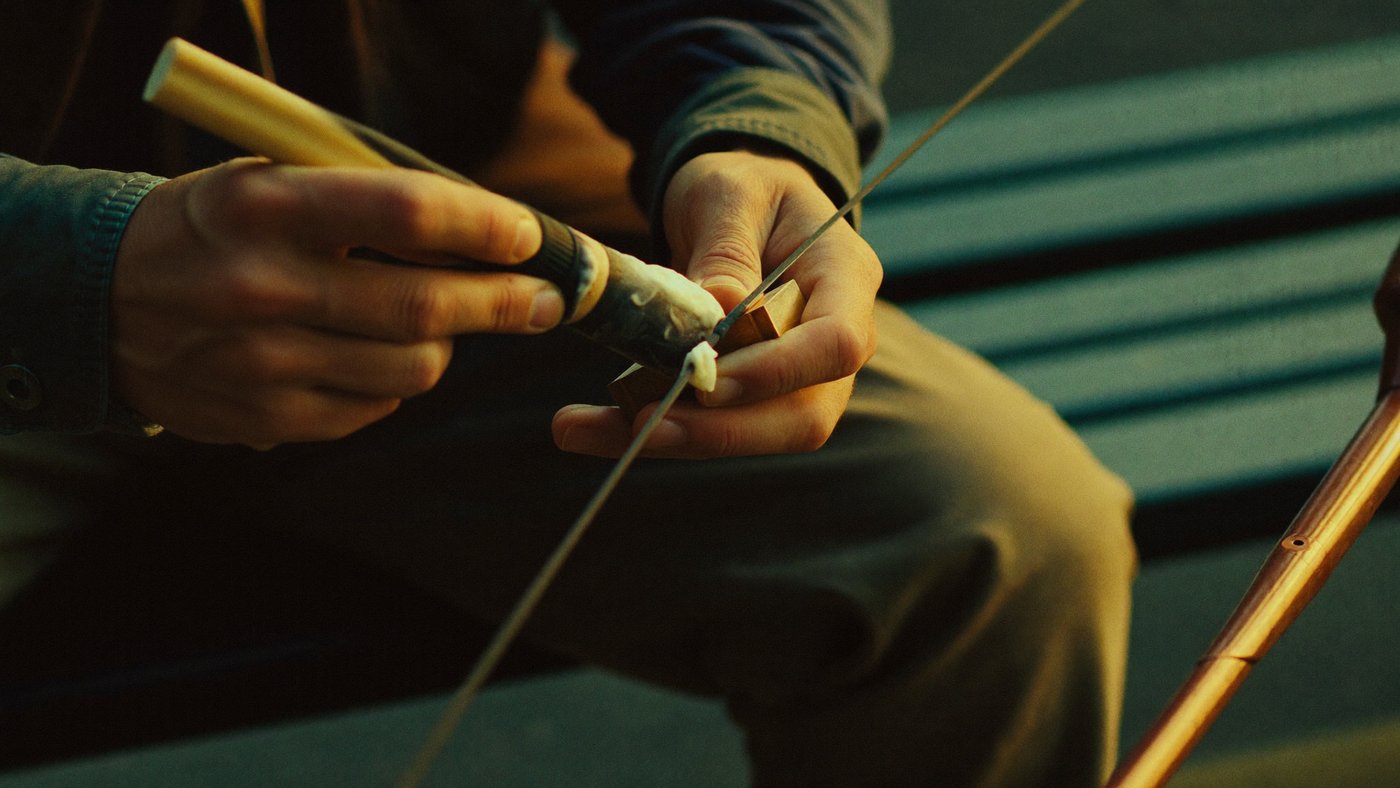
Watch it done
Reputable tutorials that demonstrate this, hand-picked by Archery Care. The walkthroughs are the creators’ own — we just point you to the good ones (and, where they added chapters, straight to the moment that matters).
Three habits. That's the whole maintenance plan: wax the string every few weeks, keep the bow somewhere dry with a stable temperature, and swap the strings every two to three years. A well-built compound holds up for 15 to 20 years on that routine, and a good recurve riser will probably outlive you.
Notice what's actually wearing out, though. The string. Riser, limbs, cams — that's durable hardware, and it mostly needs protecting from heat, damp, and being dropped. Which is why most of this guide is really string care. Strings are where bows die.
One thing to take seriously. A compound that suddenly got louder may be telling you the string has stretched and the cam timing has drifted — that's a shop visit, not a dampener purchase. On a recurve, a click at the shot is often a limb that needs reseating: pull the limbs, clean the pockets, put it back together.
Wax: every two to four weeks
Cheapest insurance in the sport. 60X, the string maker, says frequent shooters should wax every two to four weeks — ask any pro shop and you'll hear the same. Shooting twice a week means waxing twice a month. Bow sits in a case between hunting seasons? One coat going in and one coming out covers it.
The string will tell you anyway. Run a finger down it. Slightly glossy is healthy. Fuzzy or dry means it's thirsty — that fuzz is individual fibers lifting out of the bundle, and wax lays them back down before they fray into broken strands.
The job itself takes two minutes. Crayon the wax up and down the exposed string, rub it in with bare fingers until friction melts it into the fibers, then pinch the excess off with a cloth. Done.
Two don'ts. Never wax the servings — the tightly wrapped thread sections at the ends and center — because wax works under the wraps and they start to slide. And no Vaseline, ever. Petroleum jelly grabs grit and carries solvents that damage modern string fibers. Real bowstring wax is about the cheapest thing on the wall at any archery shop. Buy two.
Cleaning: a damp cloth, mostly
The string gets wax; the rest of the bow gets a soft, slightly damp cloth after wet or dusty outings. Then a full dry before it goes back in the case — zip a wet bow into a sealed case and you've built a rust and mildew incubator.
Solvents and degreasers? Skip them entirely. Hard on string fibers, hard on limb finishes, hard on the adhesives inside laminated limbs.
Inspect while you wipe. Drag a cotton ball along each limb edge — it'll snag on cracks and splinters too small to see. On a compound, work through every screw: sight mount, rest, quiver bracket, stabilizer. Loose hardware works itself looser with every shot, and it's the number-one source of mystery noise.
Storage: dry, stable, boring
Between sessions, where the bow lives matters more than which brand made it. The rules:
- Climate-controlled and dry, always. A damp garage warps wood and rusts hardware; big temperature swings stress laminates and stretch strings.
- The hot car is the killer. Heat inside a parked vehicle softens adhesives and punishes string fibers — and extreme cold makes glues brittle too.
- Hang it by the riser, never the string. A padded hook through the frame or grip works fine for a compound. The string already carries constant tension; the bow's weight on top of that helps nothing.
- Unstring your recurve. Left strung for months, a recurve can fatigue or crack. A takedown like the Samick Sage comes apart in under a minute — half of why beginners love them.
- Leave the compound strung. Never try to let a compound down without a bow press. Heading into a long off-season, backing the limb bolts off a couple of turns reduces the stored tension.
- For the off-season, a case beats a hook — dust-free and easy to move. Just don't stack gear on top of it.
Hunting down noise
A noisy bow is usually a loose bow. Before you spend a dollar on accessories, draw it in a quiet room, get someone else to listen, and go around tightening every screw. Most archers find that kills more buzz than any dampener.
Still loud? Work through this list:
- String silencers. Rubber whiskers or wool puffs tied into the string to soak up post-shot oscillation. A few dollars, a few minutes to install, a small cost in arrow speed — which nobody on a hunting rig will notice.
- Limb dampeners. Rubber pucks mounted on the limbs to absorb the shock that runs through the bow at release. Use them alongside string silencers or instead of them; experiment.
- String stop. Most modern compounds ship with one. Check where it sits relative to the string — a stop that's drifted out of position is doing nothing.
- Heavier arrows. More of the bow's energy goes into the shaft, so less is left over as noise and vibration. Bonus: it's the one quieting trick that also improves penetration.
What restringing costs, and when
Plan on two to three years per string set under normal use. Most bow techs say change compound strings at least every three years even when they look fine — the material stretches and creeps long before anything visibly frays. Shooting several hundred arrows a week? Think one year, not three.
The $20-to-$150 spread exists because a restring means different jobs on different bows. Bottom of the range: a replacement Dacron string for a budget recurve like the Galaxy/Samick Sage, around $20, and you can fit it yourself with a cheap bow stringer. Top of the range: a compound's full string-and-cable set plus shop labor — typically $20-$50 — to press the bow, install everything, and retune. Premium custom sets push past the top entirely.
And replace early, whatever the age, if you spot a broken strand, fraying that waxing won't smooth back down, a separated center serving, or a peep sight that's started rotating. On a 70-pound compound, any one of those is a safety issue, not a cosmetic one.
The lifespan math
Here's the cheerful part: keep those habits and the bow itself is a long-term asset. Common estimates give a well-maintained compound 15 to 20 years of service, limbs a decade or two, and strings as the only routine consumable. What actually retires old compounds isn't wear — it's the parts catalog. Cams, modules, and limbs go out of production, and a 20-year-old bow waiting on a discontinued cam becomes a wall decoration.
Recurves age more gracefully still. A machined aluminum riser has no real expiry date. Plenty of archers shoot the same riser for decades and just swap limbs and strings as they wear — worth remembering when you're weighing an ILF riser purchase, because the riser is a buy-once item.
And none of it scales with price. A carbon flagship like the Hoyt Carbon RX-10 and a value bow like the Bear Redeem want exactly the same things: a waxed string, a dry shelf, and fresh strings every couple of years. The wax doesn't know what you paid.
Real questions archers ask about bow care and maintenance
Mined from public archery communities (June 2026); answered by Archery Care using our scored data. Source links go to the original discussions.
Can you over-wax a bowstring, and what does too much wax actually do?
Yes, and it's more common than under-waxing. Pile on wax every session and the excess just sits on the surface, where it goes tacky and grabs every bit of grit, dust and sand your string touches. That trapped grit acts like fine sandpaper between the strands, so you're speeding up wear, not preventing it. You'll also see wax wicking onto the serving and clumping in the cam grooves. The fix: a thin coat, worked in with your fingers until the string warms slightly, then wipe the surface back so it's not gummy. If your string feels sticky or looks gray and caked, you've gone too far. Think 'lubricated,' not 'coated.'
Should I leave my bow strung or unstring it between sessions?
It depends on what your bow is made of. A modern compound stays strung, full stop. There's no realistic way to unstring it at home and the limbs and cams are built to live under that load. Same goes for most modern recurves with synthetic or laminated limbs left strung for a session or a weekend won't hurt them. The old-school rule about unstringing applies to all-wood bows: selfbows and traditional longbows can take a slight set (follow the string) if left strung for weeks, so unstring those when you're done shooting. Whatever the bow, never leave it strung in a hot car or attic the glue can creep above roughly 120F and that's how limbs delaminate.
Do I need to wax the serving, and which wax type is right?
No wax the bare string and cable fibers, leave the serving alone. The serving is that tightly wrapped thread over the center and end loops; it doesn't need lubrication and wax just builds up there and can help it slip. For the wax itself, the split is between traditional tacky waxes (Bohning Seal-Tite, Tex-Tite) and slicker silicone-blended ones. Tacky wax grips well but picks up more dirt if you set your bow down in the dust; silicone blends penetrate deep and stay smooth. Honestly, for keeping a string alive, consistency beats brand. A string waxed regularly with a cheap stick outlasts a neglected one running boutique wax. Skip random household oils unless you know exactly what's in them.
My peep keeps rotating and my string feels longer than it used to. Is that normal?
On a new or newish string, yes that's the string settling in, not failing. Every string creeps a bit over its first few hundred shots, and as it stretches, the twists redistribute and your peep can rotate out of alignment. That's why a good shop shoots a new string in, then sets peep height and rotation, then tells you to come back after another 100-200 arrows for a recheck. Persistent creep that shifts your draw length, drops your peep, or knocks your cams out of sync past that break-in window is a different story that points to a tired string or one that wasn't pre-stretched properly. A few added twists or a quick shop tune usually sorts it; if it won't hold, the string's done.
Is it actually okay to keep my bow in the garage?
It can be, but the garage is the riskiest common spot, and the villain isn't cold it's heat and swinging humidity. Cold won't hurt your limbs or string; a summer garage that bakes to 100F-plus repeatedly will, and big humidity swings are what slowly cook wood and laminated limbs. If the garage is your only option, keep the bow in a hard or padded case rather than hung on the wall, and bring it indoors during the hottest stretch of summer. A climate-stable basement or a closet inside the house is genuinely better. The single worst move is leaving a bow in a hot car or attic for hours skip that every time.
Community Pulse
What owners and shoppers actually say, quantified across 6 public discussions reviewed in June 2026.
How often you should actually wax
mixedThe textbook answer is every two to three weeks or every 100-200 shots, and plenty of shooters run by that calendar. But a vocal camp says forget the schedule and read the string: wax when it starts looking dry or fuzzy, which for a light shooter might be a couple times a year. Both sides agree on one thing under-waxing and over-waxing are equally bad, so a thin coat worked in by feel beats slathering it on by the clock.
Whether waxing even matters
mixedMost shooters treat waxing as basic upkeep that keeps fibers lubricated and adds years of string life. A skeptical minority, mostly traditional archers, argue a modern, well-built string barely needs it and that habitual waxing does more for peace of mind than performance especially on Dacron. The middle ground that emerges: wax helps most where strings see abrasion, weather and heavy use, and matters least on a lightly shot bow kept indoors.
Replace by the calendar or by condition
mixedOne camp swears by a clock: new string and cables every year or every 5,000 shots, whichever lands first, partly because the material ages even sitting idle. Others call that wasteful and replace strictly on evidence frayed or broken strands, serving separation, runaway fuzz, or peep and cam timing that won't stay put. The practical consensus is to watch condition first but not ignore age, since an old string can fail even on a barely shot bow.
How we counted: we read 6 public discussions across archery forums and communities, grouped recurring topics, and counted distinct threads (not comments) where each theme appeared favorably or critically. Summaries are paraphrased in our own words; every count links to its sources. Note: Discussion concentrates on ArcheryTalk for compound wax/restring questions and TradTalk for the strung-vs-unstrung and wax-skeptic debates; the loudest disagreements are about wax frequency and whether to store a bow strung.