How to Aim a Bow: Sight, Gap & Instinctive Shooting
Sights, gaps, or pure instinct — how the three aiming systems actually differ, plus the dominant-eye test and why your anchor point comes before any of them.
By the Archery Care Editorial Team
Watch it done
Reputable tutorials that demonstrate this, hand-picked by Archery Care. The walkthroughs are the creators’ own — we just point you to the good ones (and, where they added chapters, straight to the moment that matters).
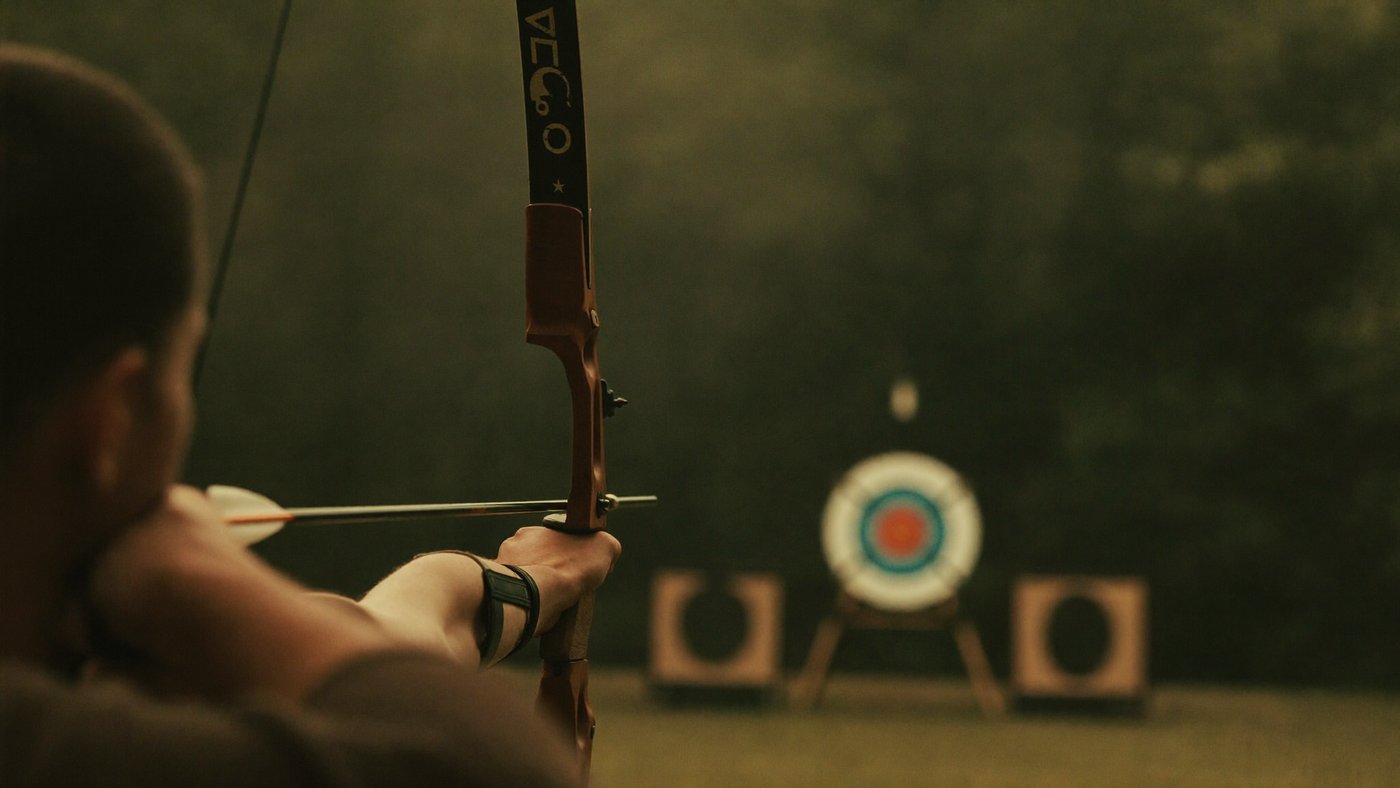
Ask three archers how they aim and you'll get three different answers. That's because there are three main systems — and picking between them isn't really a matter of taste. It comes down to what you shoot and what discipline you shoot it in.
The three systems
- A sight. The standard route for compound and Olympic recurve. You put a pin or aperture on the target and align it. Simple in theory.
- Gap shooting. No sight — the arrow tip is your reference. You learn how far below the target to hold (the 'gap') at each distance. And yes, that takes time.
- Instinctive. No conscious aiming reference at all. You shoot enough arrows that your eye and subconscious do the work. Common in traditional archery, and harder than it sounds.
Before any of that works
Sort your dominant eye first — the simple triangle test settles it. Then lock down a consistent anchor point. And here's the bit most beginners fight: the sight picture floats. It's supposed to. Your job is to manage that natural drift, not snatch the shot the instant everything looks perfect. Snatching feels decisive. It isn't.
Dialing in a sight
Shooting a sight? Put a group on the target at a known distance, then move the sight in the direction of the error — 'follow your arrow,' as the saying goes. Group lands low and left, the sight goes low and left. Then set marks for each distance you shoot. One thing no sight can fix: sloppy form. A sight is only repeatable if you are.
Real questions archers ask about aiming a bow
Mined from public archery communities (June 2026); answered by Archery Care using our scored data. Source links go to the original discussions.
Do I have to close one eye to aim, or should I keep both eyes open?
Start by figuring out your eye dominance, because that decides everything. If you're right-handed and right-eye dominant, you can usually shoot both eyes open with no trouble. The catch is cross-dominance, a right-handed shooter with a dominant left eye, because your brain will quietly pull the arrow toward the strong eye and you'll never know why you're missing left. The fix most shooters land on: close or squint the dominant eye so the aiming eye sitting over the arrow does the work. Plenty of people start one-eyed to nail down the picture, then ease the second eye open later. Both eyes open widens your field of view and stops you over-aiming, which helps on moving game.
How do I actually figure out my gaps and my point-on distance?
You measure it, you don't guess it. Set a target close, say 10 yards, and find exactly where you have to put the arrow tip to hit your spot. Write down the gap. Move back five yards and do it again at 15, 20, 25, and keep going. After a few sessions you'll have a little chart of your bow's trajectory. Your point-on is the distance where the tip sits right on the spot with zero gap, often somewhere around 40-60 yards depending on your setup. Want a shorter, simpler point-on? Go heavier or longer on the arrow, switch to three-under, or raise your anchor. All of those drop the tip and pull point-on in closer.
My pin won't sit still on the target. How do I aim when it keeps floating?
Stop fighting it. The pin float never goes away, not even for pros, and the harder you try to freeze it dead center the worse your shot gets. The move is to accept a small float and let the shot break while the pin drifts through the middle. Settle your anchor, line the peep around the sight housing, then think one calm word, aim, center, whatever clicks, and let the pin float down into the spot. When you quit grabbing for a perfect picture and let the release surprise you, the groups actually tighten. A loose, floating pin that you trust beats a forced, frozen one every time.
I freeze off the target or punch the trigger the second my pin touches the middle. What's going on?
That's target panic, and almost every archer hits it eventually. It shows up as freezing before the bull, jabbing the pin at the spot, or slapping the trigger the instant things line up. The root cause is fixating on the outcome instead of the process. The cure isn't a quick one, it usually takes months. Separate aiming from firing: draw, aim, hold, then let down without shooting, over and over, until your brain stops linking pin-on-target with fire-now. A hinge or back-tension release helps a ton because the shot breaks as a surprise, so you lose the urge to punch. Blank-bale work up close rebuilds a clean, calm execution.
As a hunter I won't always have a rangefinder, so how do I judge distance for the right aim?
Aiming and yardage are the same skill once you leave the range, because the best hold in the world is useless if you misjudge the distance. Train it constantly: on walks, guess the range to a stump or rock, then range it and see how far off you were. A handy trick is to estimate in 10-yard chunks out to the target rather than one big guess, or pick the halfway point and double it. The single fastest teacher is shooting 3D courses, where you're forced to read unknown distances with a real penalty for getting it wrong. And remember angled shots, uphill or down, the flat horizontal distance is what your pin needs, not the slope.
Community Pulse
What owners and shoppers actually say, quantified across 6 public discussions reviewed in June 2026.
Instinctive shooting is its own distinct skill, not just sloppy gap shooting
mixedThis one gets heated. Plenty of shooters argue instinctive aiming is real and uniquely valuable for moving targets at unknown ranges. The louder camp pushes back hard: there's nothing truly instinctive about it, everyone's brain is doing subconscious gap math, and most people who claim instinct are just gapping without admitting it. The common ground is that conscious gap or stringwalking wins at known distances, while a polished instinctive shooter can be deadly when ranges are a mystery.
Beginners should learn with a sight (or gap) before trying to shoot instinctively
mixedOpinions split cleanly. One side says start with a sight so you can group arrows first and tell whether a miss is your aim or your form, then graduate to sightless later. The other side says a sight teaches you nothing about aiming a bare bow and can stall your instinctive progress, so learn without one from day one. A middle group splits the difference: start people on simple gap shooting, and the conscious gap fades into something that feels instinctive over time.
Aiming problems are usually form problems in disguise
praiseOn this one the forums mostly agree. When an instinctive shooter has an off day, a form breakdown is the first thing experienced archers check, not the aim itself. The repeated advice is to build a repeatable form shot before chasing any aiming method, because accuracy flows from a consistent anchor, alignment, and release. Tinkering with your gap or sight to fix a group that's really a form issue just sends you in circles.
How we counted: we read 6 public discussions across archery forums and communities, grouped recurring topics, and counted distinct threads (not comments) where each theme appeared favorably or critically. Summaries are paraphrased in our own words; every count links to its sources. Note: Discussion concentrates on ArcheryTalk and TradTalk, with the instinctive-vs-gap debate by far the most recurring and contentious; Rokslide adds the bowhunting distance-judging angle.