How to Sell a Compound Bow (and Get What It's Worth)
Where to sell a used compound bow, how to price it so it actually moves, how to ship it safely, and the scams to watch for.
By the Archery Care Editorial Team
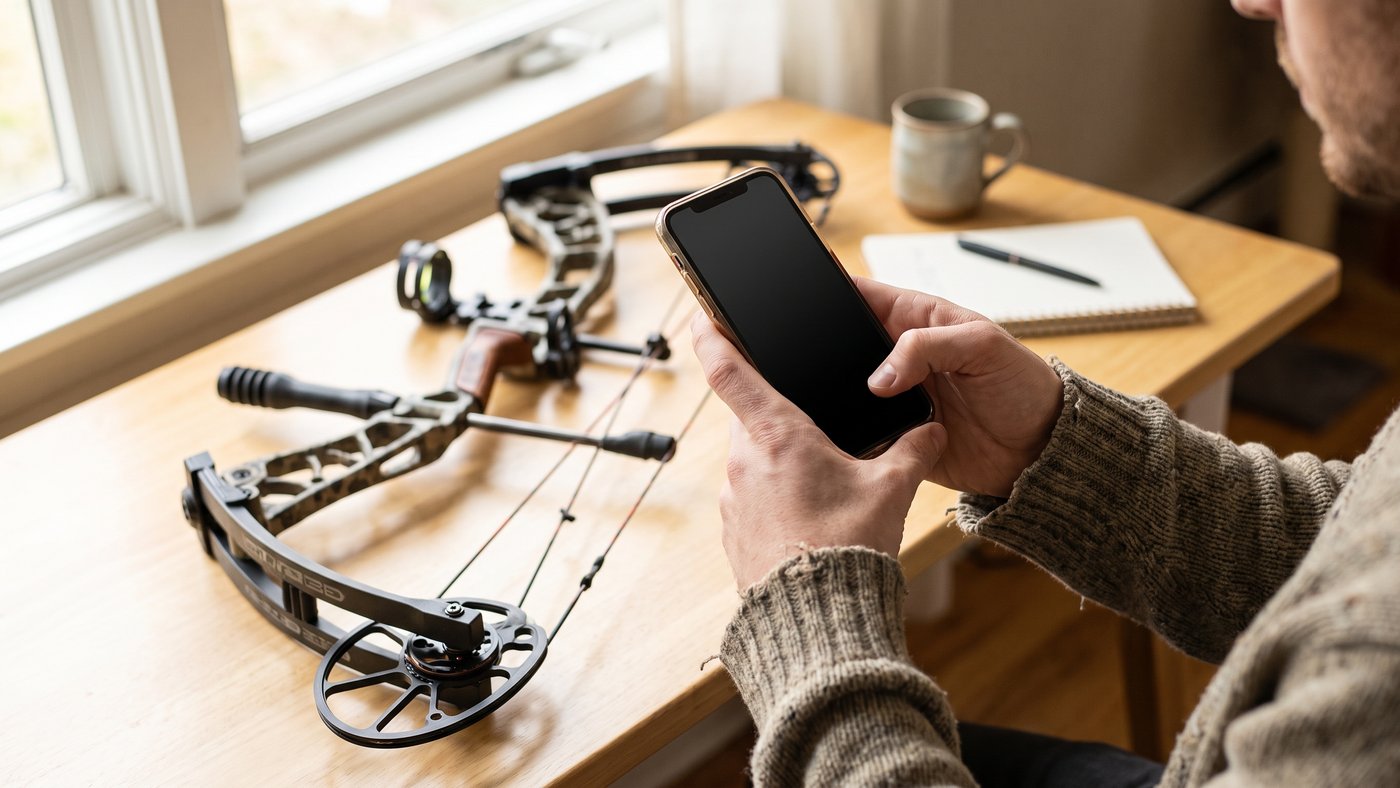
A compound bow holds its value better than almost anything else in the garage — a five-year-old flagship still sells for real money if you list it right. The trick isn't finding a buyer. It's pricing it honestly, showing it well, and not getting burned on payment or shipping. Here's the sequence that works.
- 1
Find out what it's actually worth
Before you name a price, go see what your exact bow is selling for right now. The ArcheryTalk classifieds are the truest market — search sold and active listings for your make, model and year. eBay's sold filter (not the asking prices — the completed ones) is the other gut check.
A used compound in good shape typically brings 40–60% of its original retail; a current-year flagship in like-new condition can hold more, a decade-old bow far less. Cams and limbs in good order matter more than a scuff on the riser. Be realistic — an overpriced bow sits for months while the market prices around it.
- 2
Clean it up and know its condition
Wipe it down, blow the dust out of the cams, and look it over honestly. Check the string and cables for fraying or serving separation — a bow that needs $150 of strings is worth less, and a buyer will spot it. Note the draw length and peak draw weight it's currently set to, and whether the modules to change draw length are included.
Photograph it in good light against a plain background: full profile, both cams, the grip, the limb pockets, and a close-up of any damage. Ten honest photos sell a bow. One dark phone snap does not.
- 3
Pick where to sell
Each venue trades reach for fees and hassle:
- ArcheryTalk / Archery Addix classifieds — archers who know what they're buying, low drama, usually no fees. The best price for a decent bow.
- Local pro shop consignment — zero effort, but the shop takes a cut (often 15–20%). Good for a clean, fast sale.
- eBay — the widest audience and the most fees, plus you're on the hook for shipping and returns. Fine for accessories, workable for bows.
- Facebook groups / Marketplace — big reach and local cash deals, but the highest scam and lowball rate. Sell local, meet safe, cash only.
- 4
Write a listing that sells
Lead with the facts a buyer needs to know they can shoot it: make, model, year, draw-length range, peak draw weight, and hand (right or left). State exactly what's included — bare bow, or bow with rest, sight and quiver. List the condition honestly, warts and all, because the fastest way to kill a sale is a surprise at the door.
Price it a touch above your floor so you have room to take a reasonable offer, and say whether you'll ship or it's local-only.
- 5
Take payment and ship it safely
For remote sales, PayPal Goods & Services protects both sides — never accept Friends & Family, a mailed check, or Zelle from a stranger; those are the classic 'gone forever' payment methods. For local deals, cash in a public place.
To ship: back the draw weight down a few turns to relax the limbs, unstring nothing (leave it assembled), wrap the cams and pad the limbs, and box it snug in a bow-sized carton or the original hard case inside a box. Insure it for the sale price. A compound survives shipping fine when it's packed so nothing shifts.
- 6
Spot the scams before they cost you
The patterns repeat. A buyer who overpays and asks for the difference back, a 'shipping agent' who needs the tracking number first, an offer to pay outside the platform to save fees, or anyone rushing you to ship before payment clears — walk away from all of it. Ship only after Goods & Services funds actually land in your account, not when an email says they will. When a deal feels too smooth, it usually is.