The History of the Longbow: Crécy, Agincourt and the Mary Rose
How a simple stave of yew decided medieval battles, why England legislated archery practice, and what 137 bows raised from a sunken warship told us.
By the Archery Care Editorial Team
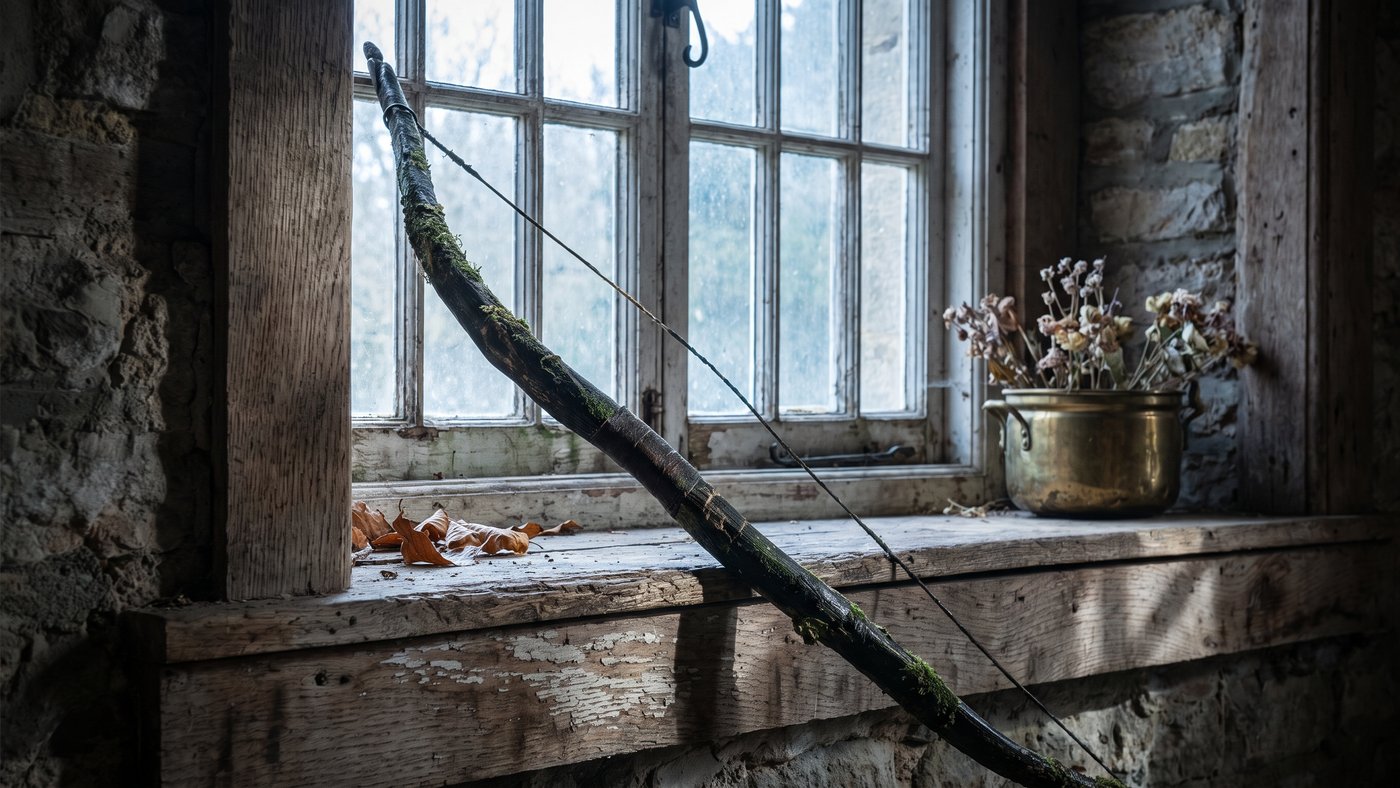
The longbow is the least sophisticated weapon ever to dominate a battlefield. No cams, no cables, no sights — a shaped stave and a string. What made it decisive wasn't the bow. It was a country that spent two centuries building the men to draw it.
Welsh roots, English armies
The design came out of Wales, where English forces met it the hard way during the twelfth-century campaigns. Gerald of Wales recorded arrows punching through an oak door and, in one account, through a mailed thigh and into the saddle beneath. Whatever the exaggeration, the lesson landed: the English stopped fighting Welsh archers and started recruiting them.
Crécy and Agincourt
At Crécy on 26 August 1346, English archers on rising ground broke charge after charge of French cavalry. The mechanism wasn't individual marksmanship — it was volume. Thousands of archers shooting together turned an advance into a killing field, and horses died in numbers that piled into obstacles for the ranks behind.
Agincourt, 25 October 1415, repeated it in mud. A French army with a large numerical advantage attacked across a narrow, waterlogged field, funnelled between woods, under continuous arrow shot. Heavily armoured men fell and could not rise. The longbow didn't need to defeat plate armour — it needed to break the formation and exhaust the men inside it.
Archery as national policy
England did something no rival managed: it legislated the skill into the population. Edward III's 1363 order required able-bodied men to practise archery on holidays and discouraged competing sports. Practice at the village butts was, for a time, closer to a civic duty than a pastime.
That's the real answer to why the longbow was so effective. The weapon was cheap and simple; the archer took a lifetime.
What the Mary Rose actually told us
Henry VIII's warship sank in 1545 and was raised in 1982 with its contents preserved in silt — including 137 complete longbows and thousands of arrows. Before that, everything we knew about war bows came from art and paperwork.
The bows were yew, mostly 6 to 6 feet 6 inches, cut to keep sapwood on the back and heartwood on the belly. Estimated draw weights ran roughly 100–185 lb, far beyond modern target equipment. Skeletons of crew members identified as archers show the corresponding damage: overdeveloped left arms, twisted spines, bone spurs at the shoulder. These men were shaped by the weapon.
Why it ended
Firearms didn't beat the longbow on performance — early muskets were slower, shorter-ranged and less accurate. They beat it on training time. You could hand a man a matchlock and field him in weeks; a competent archer took a decade of practice from boyhood.
By the late 1500s the bow was leaving English armies. The skill it depended on had already begun to disappear, and no law could legislate it back.